Do I Need A Water Softener In Dallas, TX
Find Out What Your Water Is Leaving Behind
Dallas homeowners may need a water softener when hard water causes recurring mineral buildup, cloudy glassware or soap residue throughout the home. A softener removes the calcium and magnesium responsible for these problems before the water reaches faucets, plumbing and appliances.
SafeWave Water Treatment has helped Dallas-Fort Worth homeowners improve their water since 2017. We provide free water testing and personalized recommendations to determine whether a water softener is the right solution for your home.
Why Do Dallas Homes Need Water Softeners?
Hard water is common throughout Dallas and the surrounding North Texas area. Water collects dissolved minerals as it moves through natural rock and soil. Those minerals remain in the supply as it travels through a home.
Hard water is generally not a safety concern, but it can affect how water performs throughout your home. Testing confirms the hardness level and helps determine whether treatment is worthwhile.
What Does A Water Softener Do?
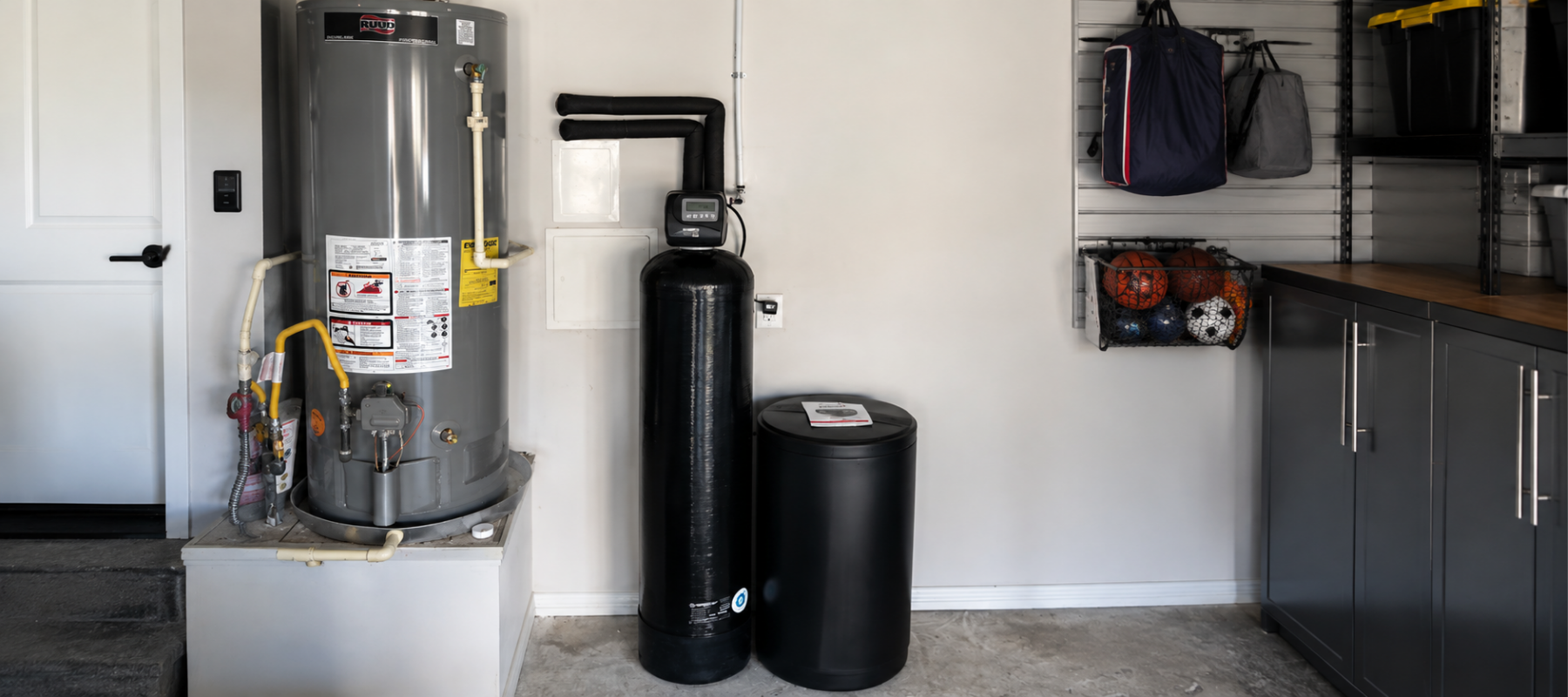
A traditional water softener removes calcium and magnesium through a process called ion exchange. Water passes through a tank containing resin beads that capture the hardness minerals. The system then sends softened water throughout the home.
This process differs from standard water filtration. A filter targets substances based on the media it contains, while a true softener removes the minerals responsible for hardness. Some Dallas homes benefit from both softening and filtration when the water has additional taste, odor or quality concerns.
By removing hardness minerals at the point where water enters the home, a softener treats the entire household supply rather than addressing buildup one fixture at a time. This can make water easier to use while limiting the residue those minerals leave behind.
How Can I Tell If I Have Hard Water?
Hard water often makes itself known through small frustrations that appear throughout the home. You may wipe a white crust from a faucet only to see it return or notice that freshly washed glasses still look cloudy.
Other common signs include:
- White or chalky deposits on fixtures
- Soap scum inside sinks and showers
- Spots left on dishes after washing
- Laundry that feels stiff after drying
- Soap or shampoo that does not lather easily
- Scale around the dishwasher or water heater
- Dry-feeling skin or dull hair after bathing
What Problems Does Hard Water Cause?
Some effects of hard water develop where you cannot see them. Scale can collect inside water heaters, dishwashers and other water-using appliances. As buildup accumulates, equipment may have to work harder to deliver the same performance.
These effects often develop gradually. A Dallas homeowner may adapt to using more detergent or repeatedly cleaning mineral residue without realizing that both issues trace back to the water supply. Treating hardness where water enters the home addresses the source instead of repeatedly cleaning the evidence it leaves behind.
How Do I Choose A Water Softener For My Dallas Home?
The right water softener should reflect the hardness of the incoming water and the amount your household uses. Choosing equipment based only on price or tank size leaves you with a system that regenerates inefficiently or struggles to keep up with demand.
Our team considers the property’s water conditions, household use and plumbing setup before recommending equipment. We install American-made systems and explain how to maintain the selected unit so you understand what to expect after installation.
Some products are marketed as salt-free water softeners, but these systems generally condition minerals rather than remove them. A conditioner may help manage scale in certain situations, while an ion-exchange softener produces genuinely softened water. Understanding that distinction makes it easier to choose the system that matches your goal.
Find A Water Softener In Dallas, TX
You do not have to diagnose your water based on the spots on your glassware. SafeWave Water Treatment provides free water testing to identify hardness and determine whether a water softener fits your Dallas home.
Our team will explain the results, discuss your concerns and recommend a system based on the water you actually use. Contact SafeWave today to schedule your free water test and take the first step toward softer water throughout your home.